
Turn a drawing, sample, photo, or application into a manufacturable contact part.
We confirm the material, dimensions, manufacturing method, sample, and inspection plan for the way the part will be used.
Discuss Your Part
Four ways to show us the part
Send the clearest information you have; we can identify what is still missing.
Capacity for contact pieces and assemblies.
Monthly supply capability: up to 40 million contact pieces and 30 million contact assemblies.
Actual output depends on product mix, material availability, tooling, inspection, and production scheduling. Capacity is planned across multiple products, not guaranteed for one part number.
We can also assess individual contact-rivet samples and small pilot quantities. Once the available part information, quantity, and material assumptions are clear, we can give a preliminary feasibility assessment and non-binding budgetary quote before sampling. Final production pricing is confirmed after sample and process verification.
Move from drawing or sample to repeat production.
We turn the available part details into a sample, verify the process, and prepare for repeat production.
- 01
Send the part details
Tell us what the part does, where it is used, and what you need to source, reproduce, or improve.
- 02
Confirm feasibility
We check the part, application, and key requirements and, when the information is sufficient, give a preliminary feasibility assessment and non-binding budgetary quote.
- 03
Select material and construction
Confirm the contact material, geometry, finish, and assembly features.
- 04
Make the sample
Form, stamp, rivet, weld, or braze the sample using the selected process.
- 05
Verify the process and final price
Check the sample, manufacturing process, inspection plan, and final production quote.
- 06
Approve for production
After written approval, repeat production follows the agreed specification and checks.
We can assess the application, photo, physical sample, or drawing and give a preliminary feasibility assessment and non-binding budgetary quote from the information available. Final production pricing is confirmed after the sample and manufacturing process are verified.
More of the production picture.
See component feeding, mechanical movement, and stamped-part handling on the production floor.
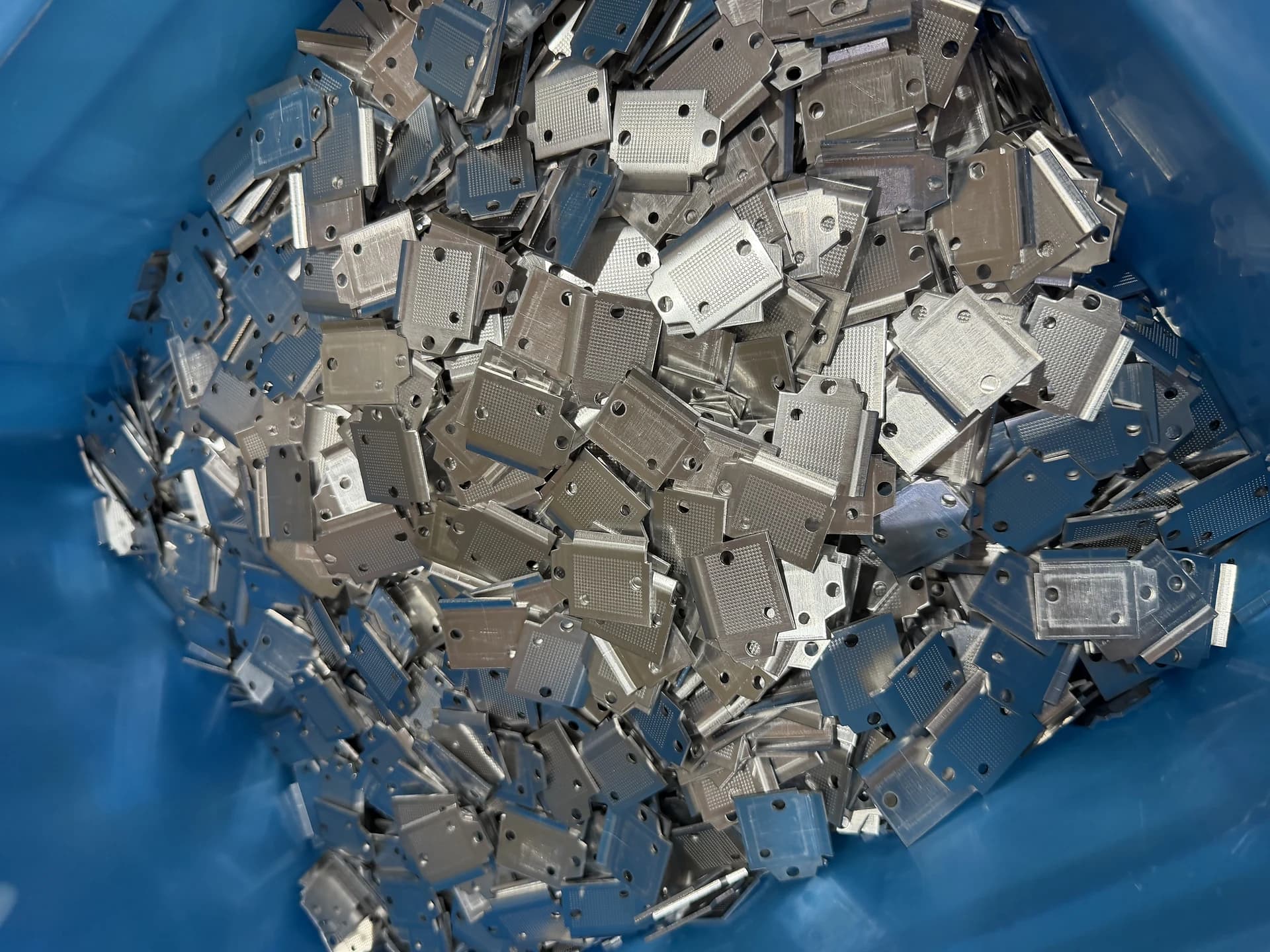
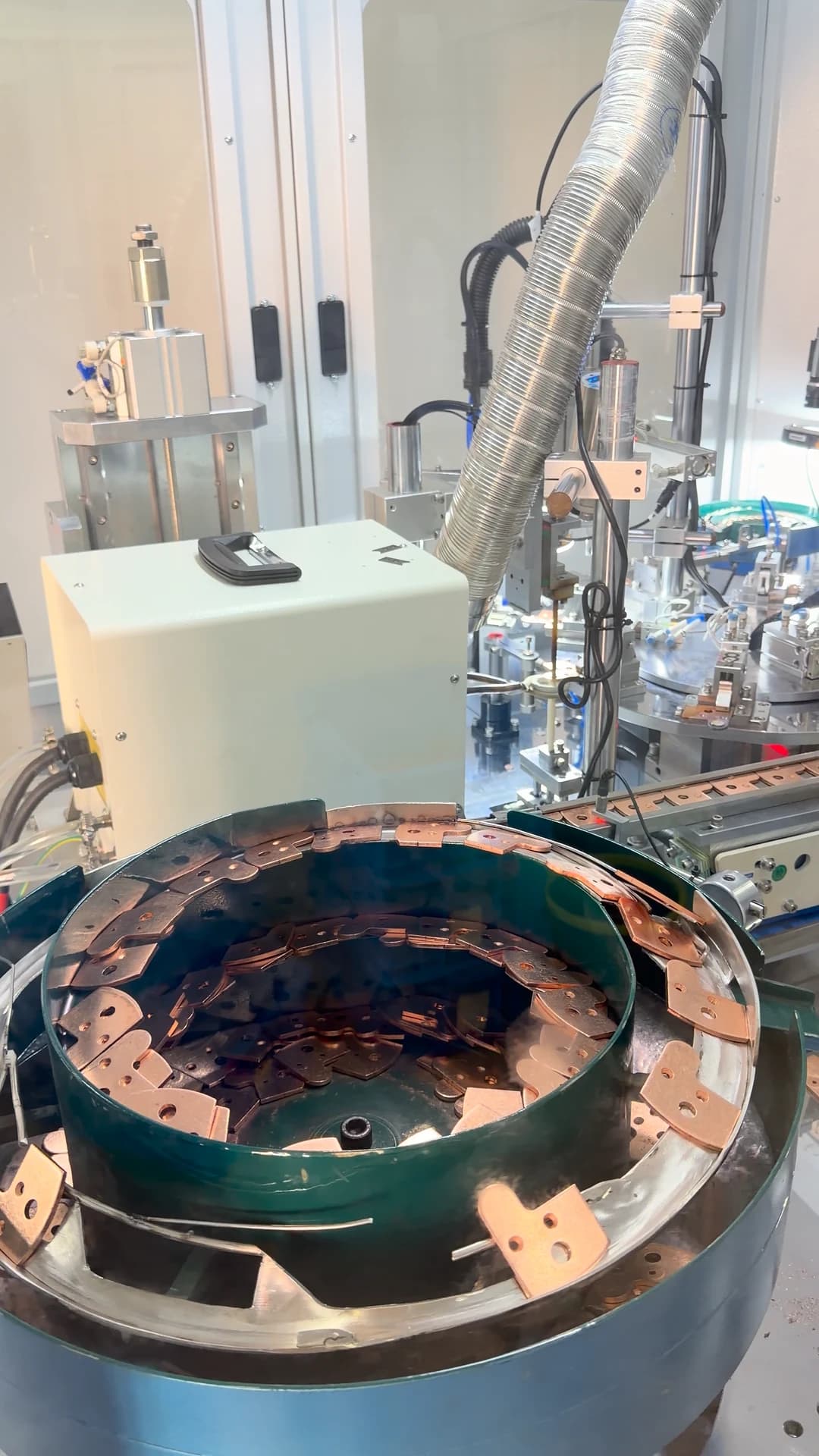
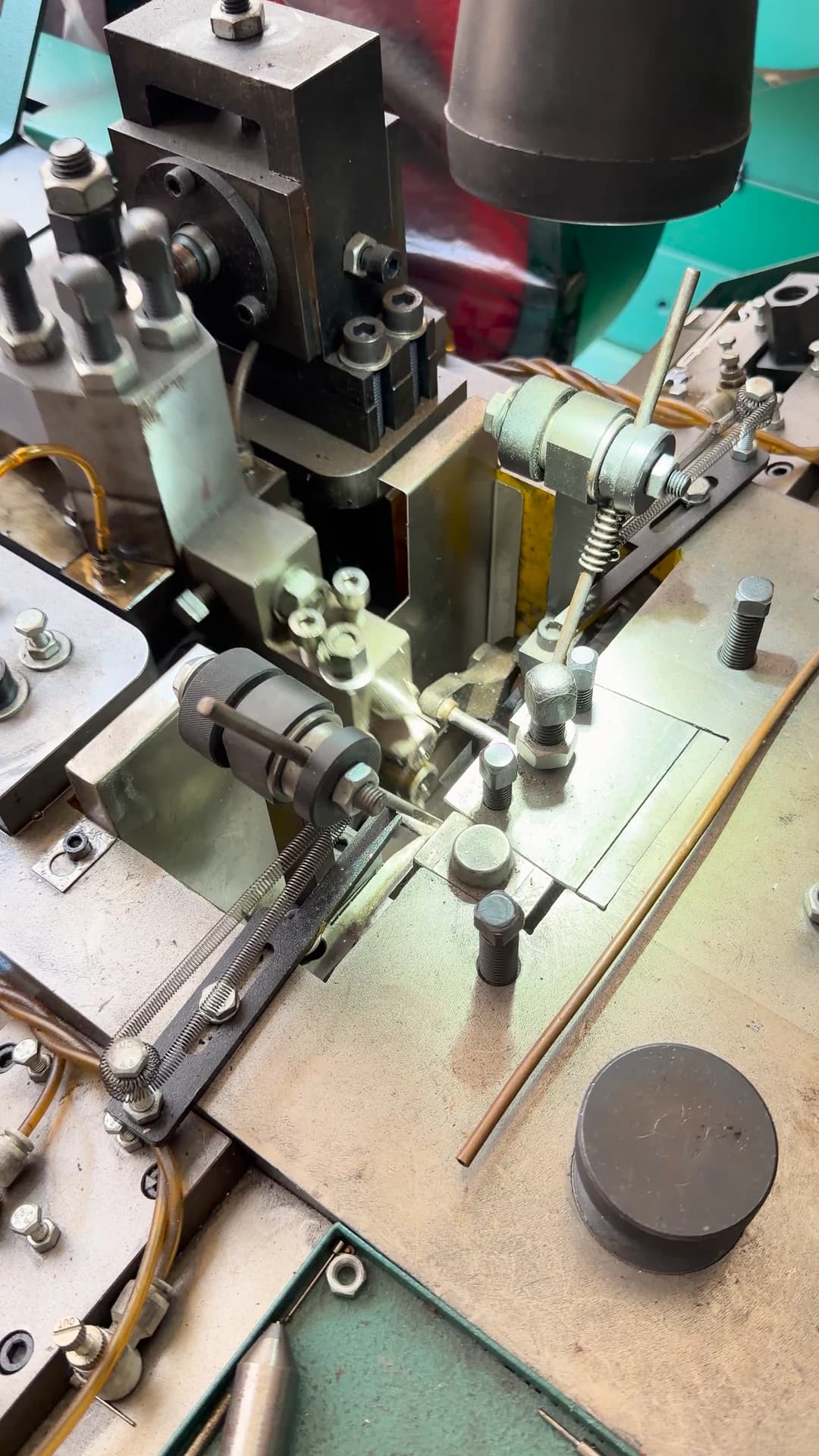
Examples show available forms and production scenes. Final materials, dimensions, surface condition, and process are confirmed from the drawing, sample, and project review.
Match the material to the application.
Production experience includes Ag, AgNi, AgSnO2, AgCdO, Cu, and other customer-specified contact materials. The final combination is selected for the part, application, process, destination market, and current requirements.
Browse Technical DataDefine inspection before production.
We confirm the dimensional, visual, batch, and application-specific checks used for the part before repeat production.
Material composition, regulatory, metallographic, or application-specific tests can be arranged with qualified third-party laboratories when required for the part or application.
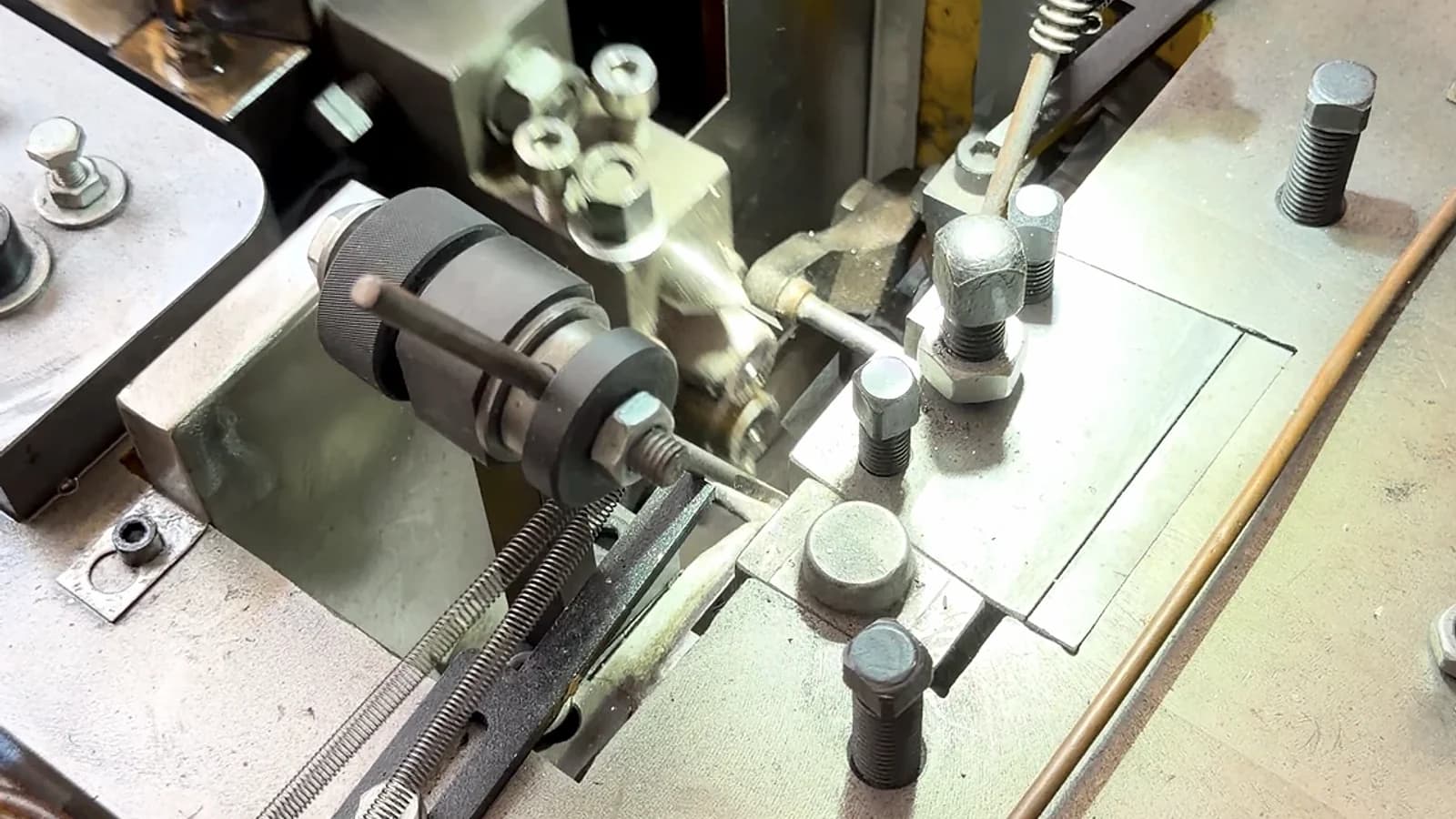
Inspection methods suited to the part.
Image-based measurement for specified silver-layer checks.
CCD inspection can support dimensional checks and silver-surface copper-exposure checks when they are included in the inspection plan.
Calibration, measurement uncertainty, acceptance criteria, and report format are confirmed when the part or customer specification requires them.
What can accompany a reviewed sample?
For a reviewed sample, accompanying documentation can be aligned with the approved drawing and project requirements. Depending on the part and agreed inspection plan, it may include:
- Dimensional and visual inspection results against the agreed specification
- Base-material and surface-condition identification
- Silver-layer checks when specified for the part
- Material-batch or supplier documentation when required and available
- Additional third-party testing arranged with a qualified laboratory when required for the part or application
Send the part information you have.
We will confirm what is needed for feasibility, sampling, inspection, and quotation.